Many modern tools and conveniences can be deeply supportive when used intentionally — helping families save time, reduce stress, simplify logistics, and create more space for what matters most.
But convenience and support are not always the same thing.
Sometimes what removes effort in one area can unintentionally increase overstimulation, distraction, mental clutter, and disconnection from the rhythms that support regulation, movement, focus, and everyday life.
Children and adults alike are navigating constant input:
notifications, background noise, visual clutter, endless options, fragmented attention, fast-paced routines, and environments designed to capture attention rather than support regulation.
And while many modern systems are designed to help, not all forms of convenience actually create calm.
Sometimes they simply shift the burden elsewhere — mentally, emotionally, visually, or physically.
More convenience can also create more decisions.
More things to research.
More options to compare.
More digital noise to process.
More systems to maintain.
More invisible coordination happening quietly in the background of daily life.
Over time, support itself can start to feel performative:
another standard to keep up with rather than something that genuinely makes life feel lighter.
At the same time, overstimulation often disguises itself as enrichment.
More toys.
More entertainment.
More visual input.
More activities.
More “helpful” products.
But often what both children and adults are actually craving is not more input.
It’s more clarity.
More movement.
More rhythm.
More autonomy.
More breathing room.
More calm.
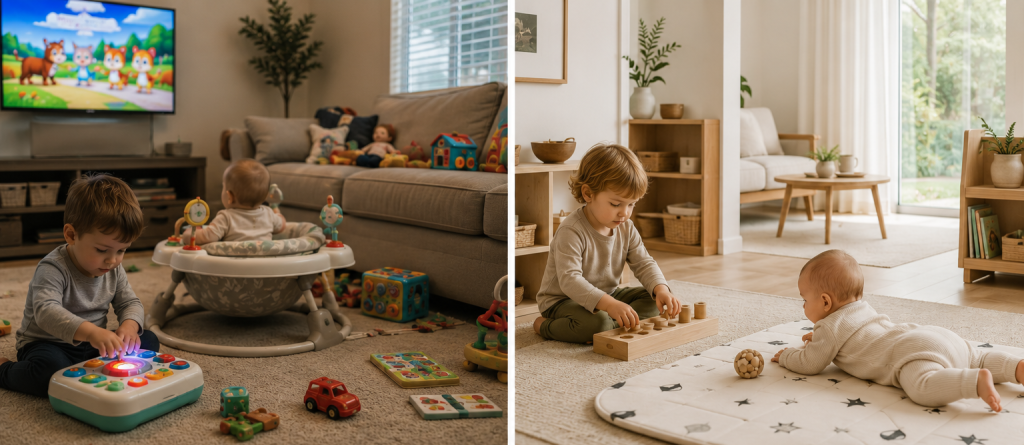
Over time, I became increasingly drawn toward approaches rooted in thoughtful environments, independence, movement, simplicity, rhythm, and intentional support systems.
Not rigid routines.
Not perfection.
Not removing ease or modern tools from life altogether.
But creating homes, systems, and daily rhythms that support people more naturally.
Because thoughtful support often looks quieter than modern life encourages.
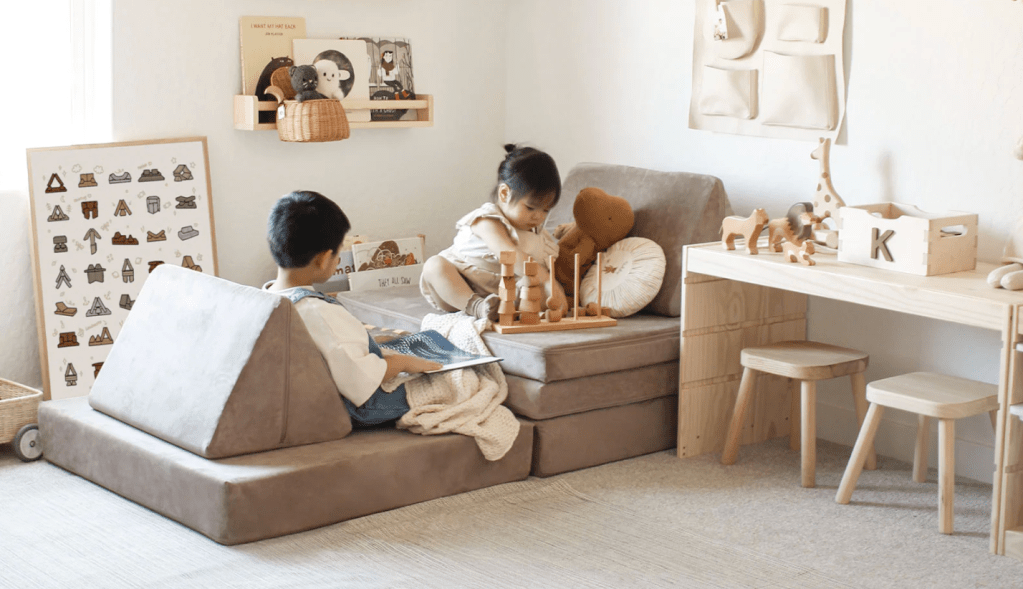
It looks like spaces that reduce visual overwhelm rather than compete for attention.
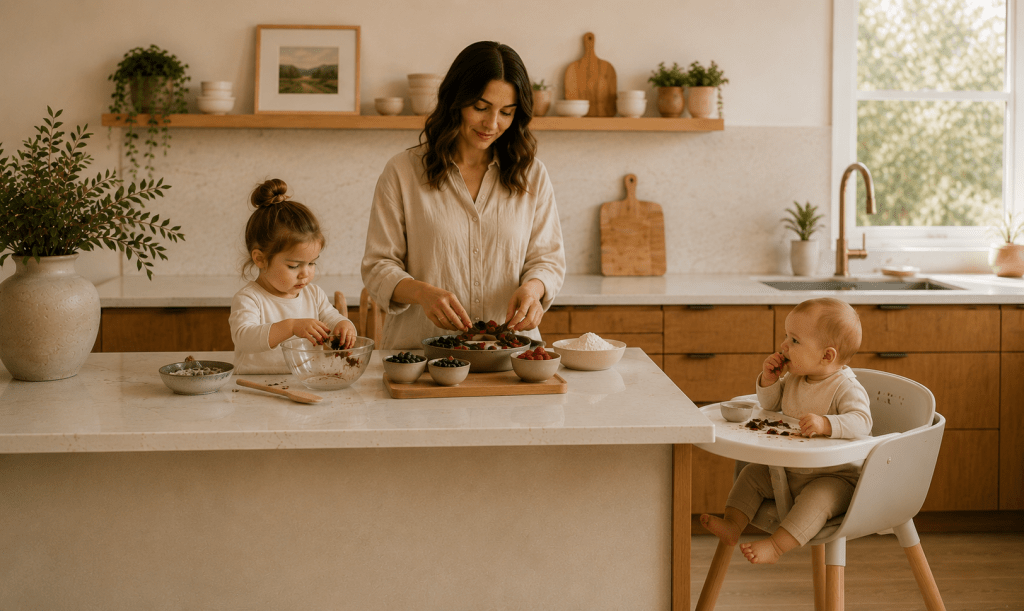
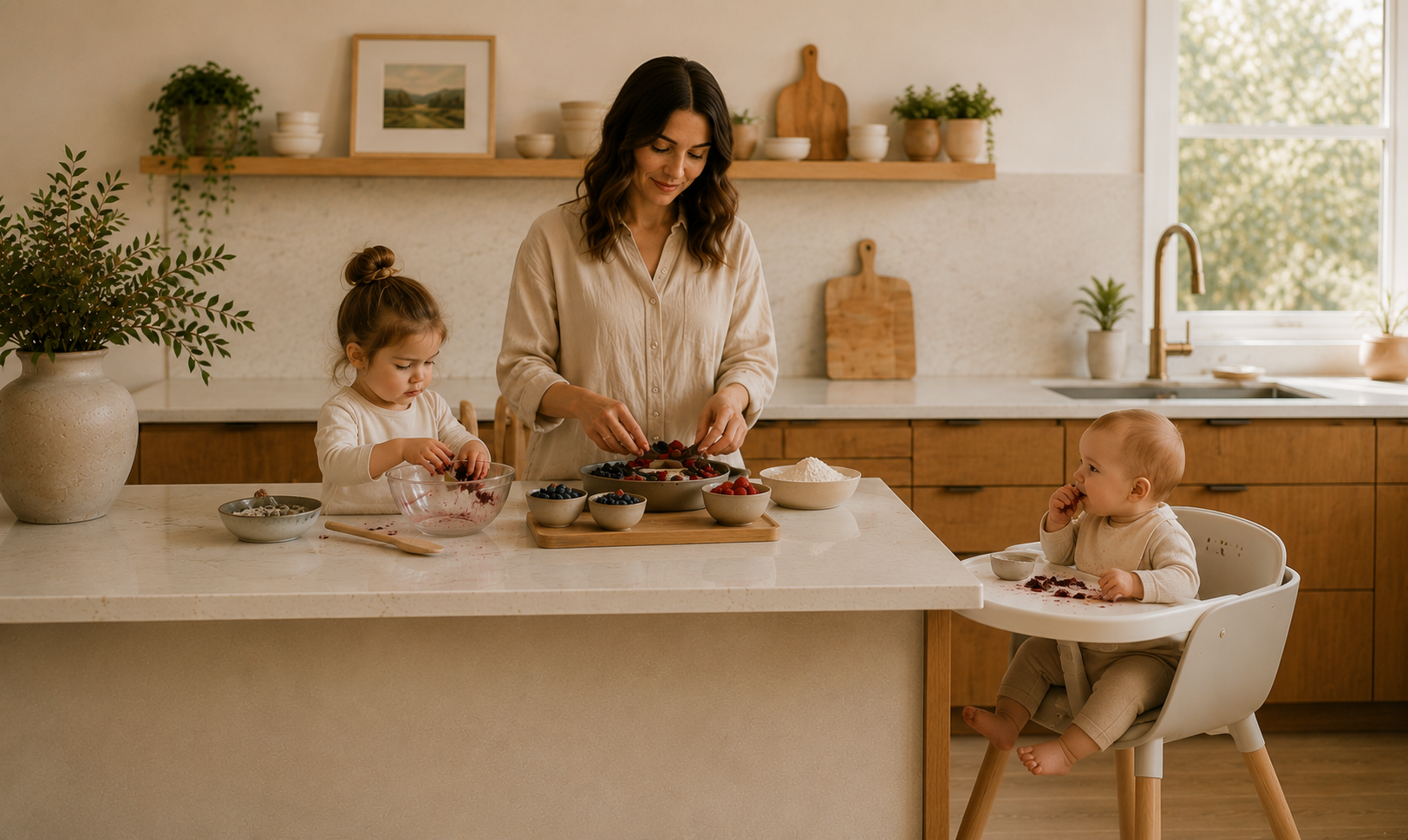
Children participating more independently in daily life instead of being constantly entertained or over-assisted.
Technology that offloads mental burden instead of increasing distraction.
Movement woven naturally into everyday routines.
Systems that reduce decision fatigue instead of creating more things to manage.
Homes that feel calming to the nervous system, not constantly demanding of it.
The goal is not to eliminate effort from life entirely.
Many meaningful parts of life require effort, presence, patience, repetition, and participation.
The goal is creating systems, spaces, rhythms, and tools that support people more naturally — so everyday life feels lighter, calmer, more sustainable, and more connected.
Because people rarely need more pressure to optimize life perfectly.
They need better support for living it well.
Related in the Edit
A few thoughtfully chosen tools, objects, and environmental supports that help reduce overstimulation, encourage independence, and make everyday life feel calmer in practice.
[ Explore the Edit ]